Last updated: 2026-10-10
Audi Q8 e-tron vs Porsche Cayenne: Reliability Compared
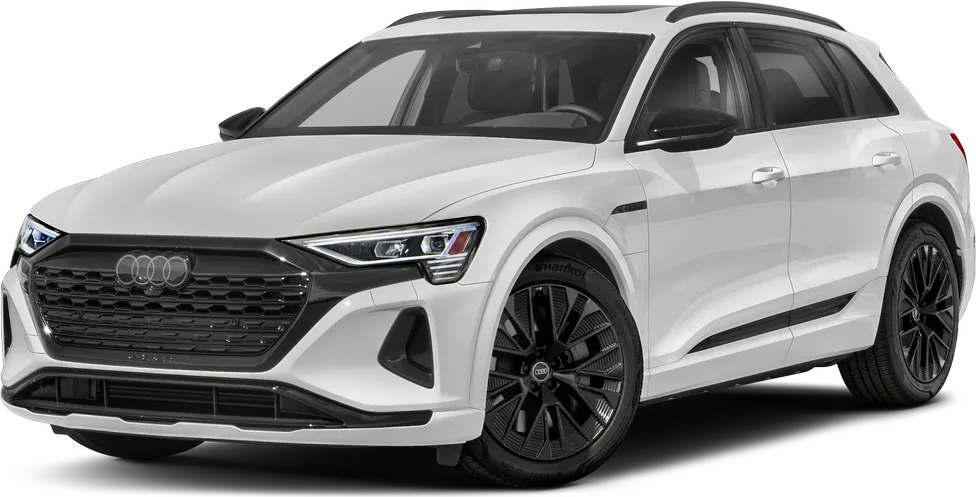
Audi Q8 e-tron
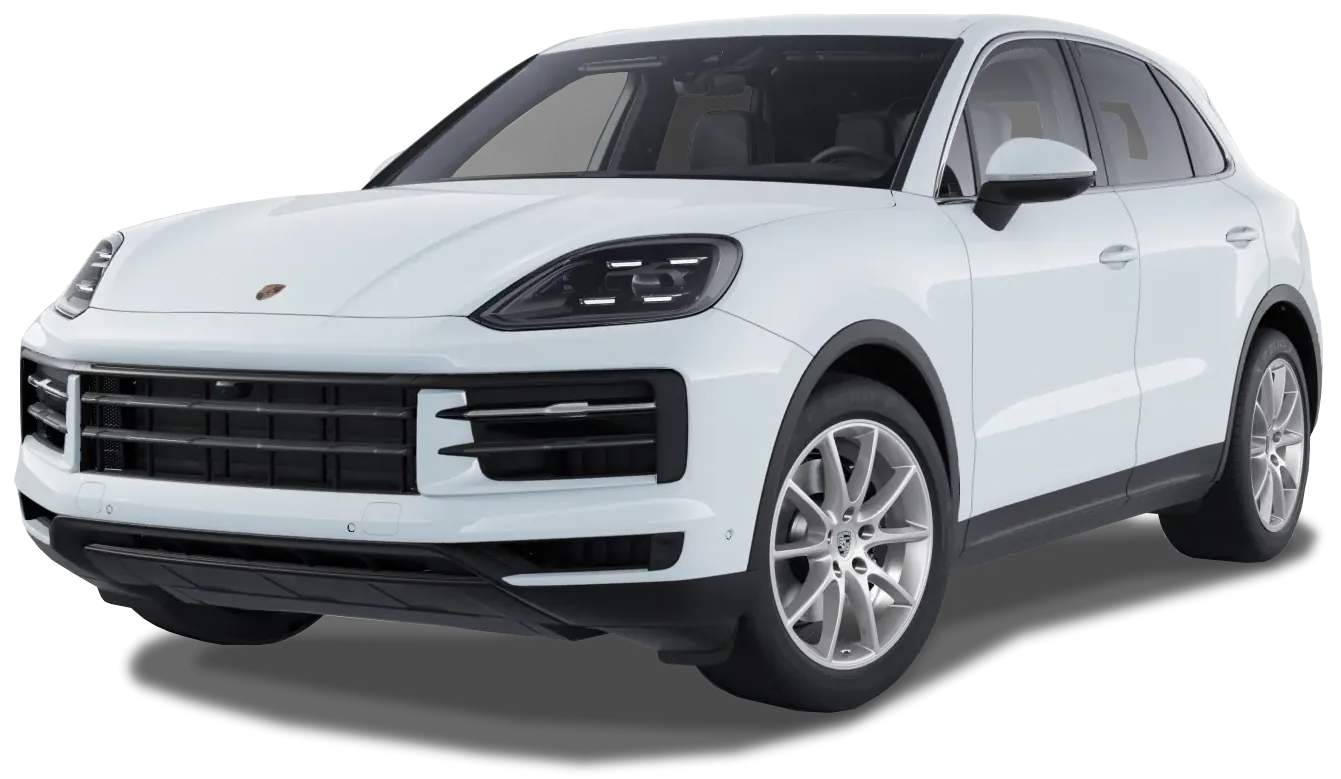
Porsche Cayenne
Reliability favors the Audi Q8-E-Tron over the Porsche Cayenne by a large gap. The Cayenne has 51 recalls across 8 model years; the Audi has 2. The Audi's empty complaint record covers only two model years, so it has had little time to collect reports.
How Do the Audi Q8 e-tron and Porsche Cayenne Generations Compare?
Verdict
The Audi Q8 e-tron is more reliable than the Porsche Cayenne, scoring 77/100 vs 59/100.
The Audi is the more reliable of the two, and the gap is large. Owners have filed no complaints on it, and federal recall records show 2 recalls across its 2 model years. The Cayenne has 51 recalls across 8 model years and 111 complaints, and its standing is mixed. One caution: the Audi has only two model years on the road, so its clean record has had little time to build. Even so, the Cayenne's long list of known problems puts it clearly behind.
Key Differences
- 1Audi Q8 e-tron has 49 fewer total recalls
- 2Audi Q8 e-tron scores 18 points higher in reliability
- 3Audi Q8 e-tron has 3.5 fewer complaints per 10k sold
Category Scoreboard
Audi Q8 e-tron vs Porsche Cayenne: Which Is More Reliable?
| Metric | Audi Q8 e-tron | Porsche Cayenne |
|---|---|---|
| Reliability Score | 77/100 | 59/100 |
| Years Tracked | 2 | 8 |
| Total Recalls | 2 | 51 |
| Complaints per 10k Sold | 0 | 3.5 |
| Year Wins | 2 | 0 |
What Are the Common Problems With the Audi Q8 e-tron and Porsche Cayenne?
Owners report no problems on the Audi, so there is no failure pattern to describe yet. The Cayenne has several. Electrical complaints lead, including E-Hybrid charging cables with melted sheaths and no warning light. That is the one area with a crash-linked report. Air bag complaints describe a peeling leather dashboard cover that owners fear could affect passenger airbag deployment. Power train reports cover a lurch just before a full stop and a sudden power loss traced to a water pump. Matrix LED headlights that shut off after water gets in are another repeat complaint.
| Component | Audi Q8 e-tron | Porsche Cayenne |
|---|---|---|
| ELECTRICAL SYSTEM | —None | 0.6Very Low |
| AIR BAGS | —None | 0.4Very Low |
| POWER TRAIN | —None | 0.3Very Low |
| EXTERIOR LIGHTING | —None | 0.2Very Low |
| UNKNOWN OR OTHER | —None | 0.2Very Low |
| FORWARD COLLISION AVOIDANCE | —None | 0.1Very Low |
| ENGINE | —None | 0.1Very Low |
| BACK OVER PREVENTION | —None | 0.1Very Low |
Complaints per 10,000 units sold, aggregated across all tracked model years from NHTSA owner reports.
How Does Audi Q8 e-tron vs Porsche Cayenne Reliability Compare by Year?
| Year | Audi Q8 e-tron | Porsche Cayenne | Edge |
|---|---|---|---|
| 2025 | 78/1000R / 0C | 61/1003R / 4C | Audi Q8 e-tron |
| 2024 | 75/1002R / 0C | 57/10011R / 5C | Audi Q8 e-tron |
Best years to cross-shop: The 2024 Audi Q8 e-tron scored 75/100 and the 2024 Porsche Cayenne scored 57/100 — the strongest shared model years that have been on the road for at least two years, where available.
Who Should Buy the Audi Q8 e-tron vs the Porsche Cayenne?
Audi Q8 e-tron vs Porsche Cayenne: Common Questions
- Is the Audi Q8-E-Tron more reliable than the Porsche Cayenne?
- Yes, by a large gap. The Q8-E-Tron has a good standing with no owner complaints, while the Cayenne's standing is mixed with 111 complaints. The Audi has only two model years on the road, so its record is still short.
- Which has more recalls, the Q8-E-Tron or the Cayenne?
- The Cayenne has far more. Federal recall records show 51 recalls across its 8 model years, against 2 recalls across the Q8-E-Tron's 2 model years. The Cayenne's longer time on the road explains part of that, but not all of the difference.
- What are the most common Porsche Cayenne problems?
- Electrical complaints lead with 20, followed by air bags with 13 and power train with 11. Reports include melted E-Hybrid charging cables, peeling leather dashboard covers, a lurch just before stopping, and matrix LED headlights that shut off after water gets in.
- Which Porsche Cayenne years should I avoid?
- Avoid 2019 and 2024, the weakest years in the data. If you want a Cayenne, 2018 and 2023 are the strongest. Check any year for open recalls, a peeling leather dashboard, and headlight problems after rain.
- Has the Cayenne had any crash-linked complaints?
- Yes. One of its 20 electrical complaints is linked to a crash. The Q8-E-Tron has no complaints on file, so it has none. The electrical reports also include melting charging cables on the E-Hybrid and an engine overheat warning with a burnt smell.
Related Reliability Comparisons
More Audi Q8 e-tron comparisons
Decided between Audi Q8 e-tron and Porsche Cayenne? Run a VIN check before you buy — uncover hidden accidents, title issues, and open recalls.
How we score the Audi Q8 e-tron and Porsche Cayenne
Scores weight complaint severity at 35%, repair costs at 30%, recall impact at 20%, and the spread of complaints across systems at 15%, with complaint counts adjusted for US sales. Read the full methodology.
See incorrect data? Report an issue