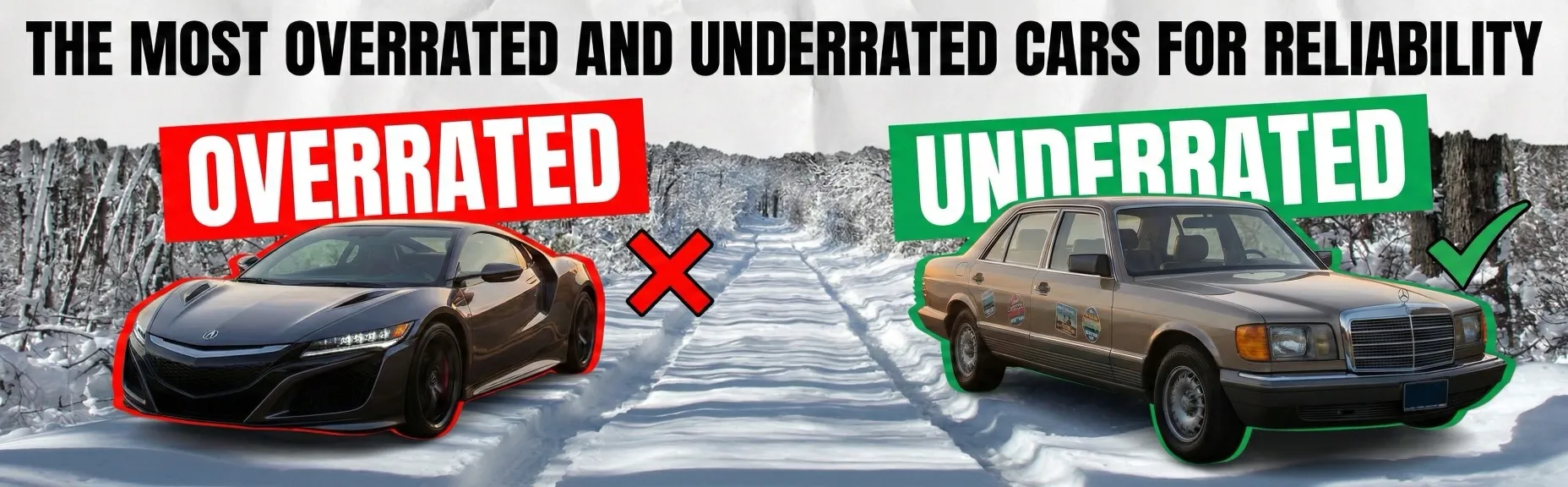
Every vehicle carries a reliability reputation. Some earn it through decades of consistent data. Others coast on brand prestige, viral enthusiasm, or assumptions that haven't been tested against real numbers.
We scored 80+ vehicles on a 0-100 reliability scale using four weighted factors: complaint severity normalized by sales volume, independent repair cost data, recall impact weighted by severity, and issue diversity across complaint categories. The fleet average across all vehicles is 70.1. Using that as a baseline, we identified the biggest gaps between public perception and measured reliability.
A vehicle is overrated when its reputation suggests strong reliability, but its score falls below the fleet average or well below its perceived tier. A vehicle is underrated when it consistently outperforms expectations despite being overlooked, dismissed, or stereotyped as unreliable.
Here are the 10 vehicles where perception and data diverge the most.
Perception vs Reality: The Data
| Vehicle | Perceived Reliability | ARI Score | ARI Tier | Verdict |
|---|---|---|---|---|
| Tesla Model Y | High | 54.7 | Mixed | Overrated |
| BMW X5 | High | 59.2 | Mixed | Overrated |
| Mercedes-Benz C-Class | High | 55.3 | Mixed | Overrated |
| Volkswagen Atlas | Medium | 53.8 | Mixed | Overrated |
| Subaru Outback | High | 71.8 | Good | Neutral |
| Chevrolet Trax | Low | 80.8 | Excellent | Underrated |
| Hyundai Elantra | Medium | 79.6 | Good | Underrated |
| Nissan Altima | Low | 79.2 | Good | Underrated |
| Chevrolet Colorado | Low | 79.2 | Good | Underrated |
| Kia Sportage | Low | 75.1 | Good | Underrated |
Cars With Higher Reputations Than Scores
These vehicles carry strong brand associations or enthusiastic followings, but the reliability data tells a different story.
Tesla Model Y
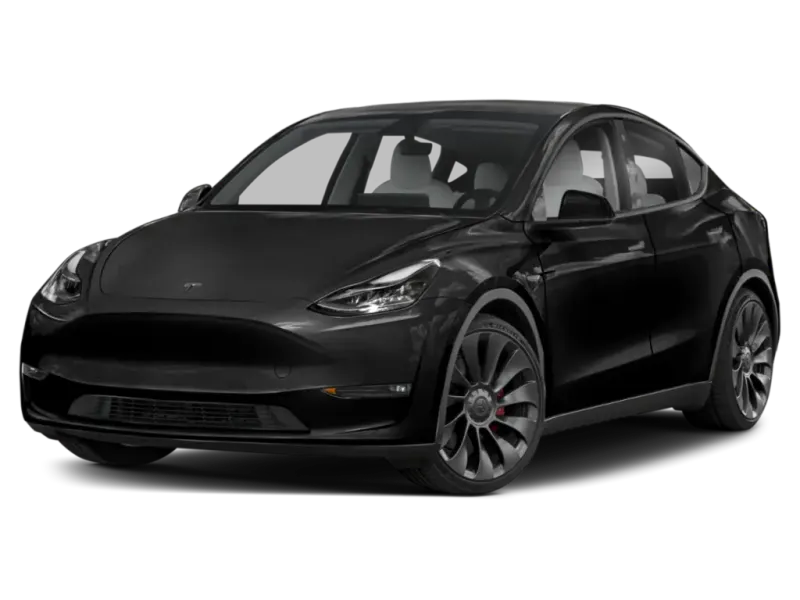
The Tesla Model Y averages 54.7 across its production run, landing in Mixed territory. Forward collision avoidance and steering complaints dominate NHTSA filings. Tesla's tech-forward reputation and EV enthusiasm inflate buyer expectations, but the data shows a vehicle with one of the highest complaint rates per unit sold in our database. The brand average of 52.2 is the lowest of any manufacturer we track.
BMW X5
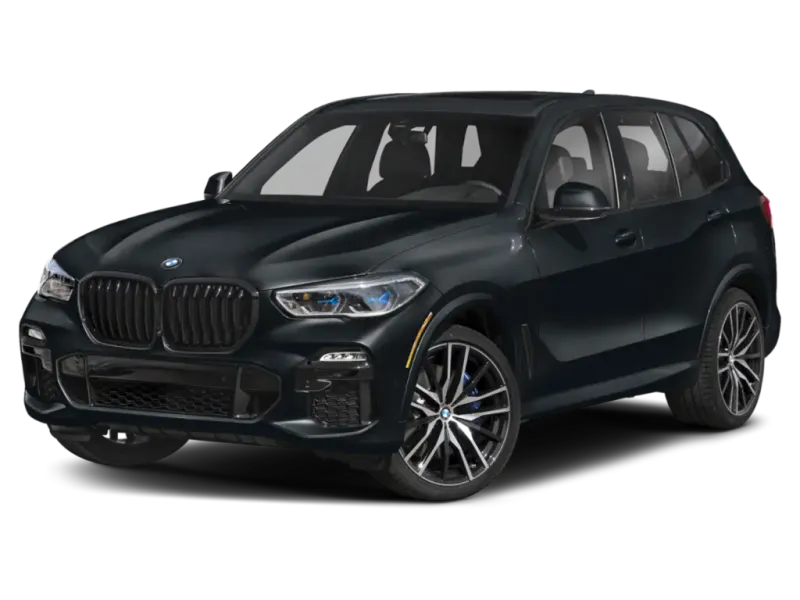
The BMW X5 averages 59.2, firmly in Mixed territory. Electrical system and engine complaints are the primary drivers. BMW's luxury positioning leads buyers to assume premium pricing means premium reliability, but the X5's complexity works against it. Advanced electronics, multi-mode suspension systems, and turbocharged powertrains create more potential failure points than simpler competitors in its class.
Mercedes-Benz C-Class
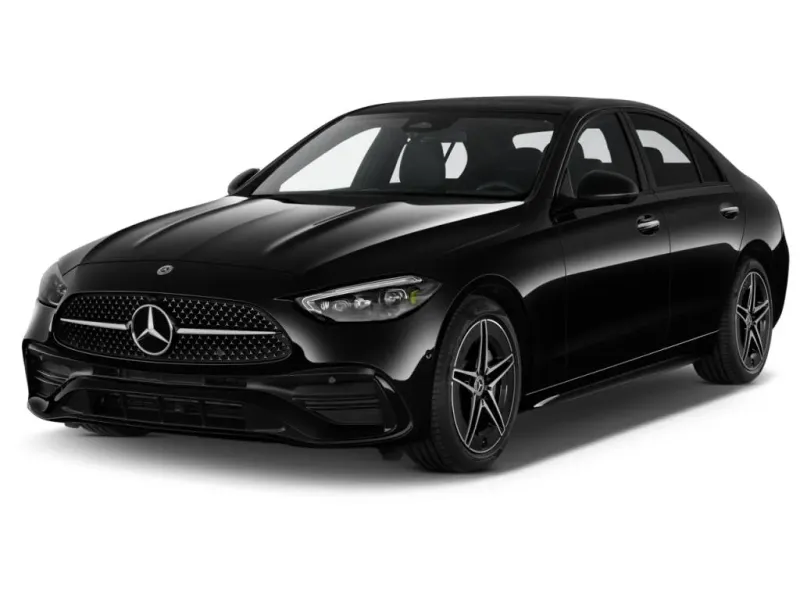
The Mercedes-Benz C-Class averages 55.3, placing it in the Mixed range. Electrical system and powertrain complaints lead the filings. Mercedes' reputation as the benchmark for luxury sedans doesn't translate to reliability. The brand average sits at 60.0, well below the fleet average. Complexity in electronics, infotainment, and engine management systems drives complaint rates higher than buyers expect for vehicles at this price point.
Volkswagen Atlas
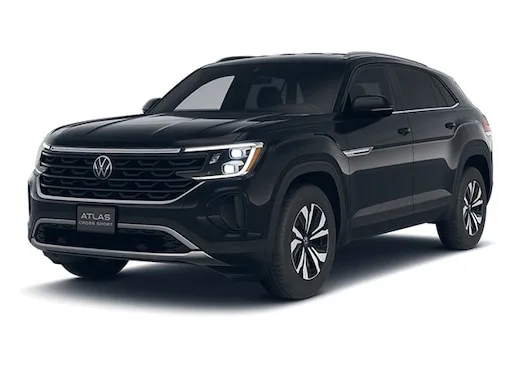
The Volkswagen Atlas averages 53.8, a Mixed result. Electrical system and airbag complaints lead the filings. The "German engineering" reputation carries weight with buyers, but the Atlas is a mass-market three-row SUV competing against vehicles like the Toyota Highlander (avg 73.0) and the Mazda CX-5 (avg 82.6), which score significantly higher.
Subaru Outback
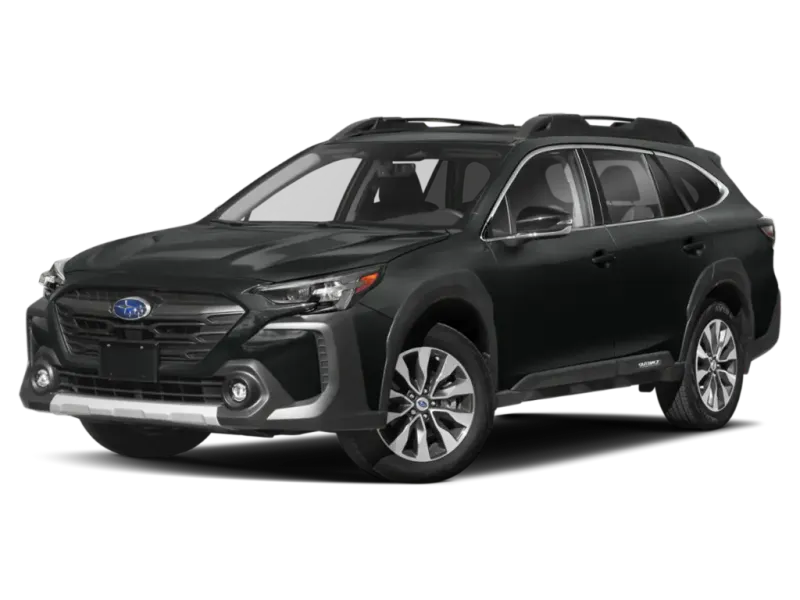
The Subaru Outback averages 71.8 overall, which is Good but trails the Toyota RAV4 (avg 76.1) and the Honda CR-V (avg 74.8) by meaningful margins. Electrical system and windshield wiper complaints are the top categories. Subaru's brand identity is built on dependability, but the data shows the Outback hovering near the fleet average. Recent model years score better, though the historical average tells a more mixed story.
Cars That Outperform Their Reputations
These vehicles score well above the fleet average despite being overlooked, dismissed, or unfairly stereotyped.
Chevrolet Trax
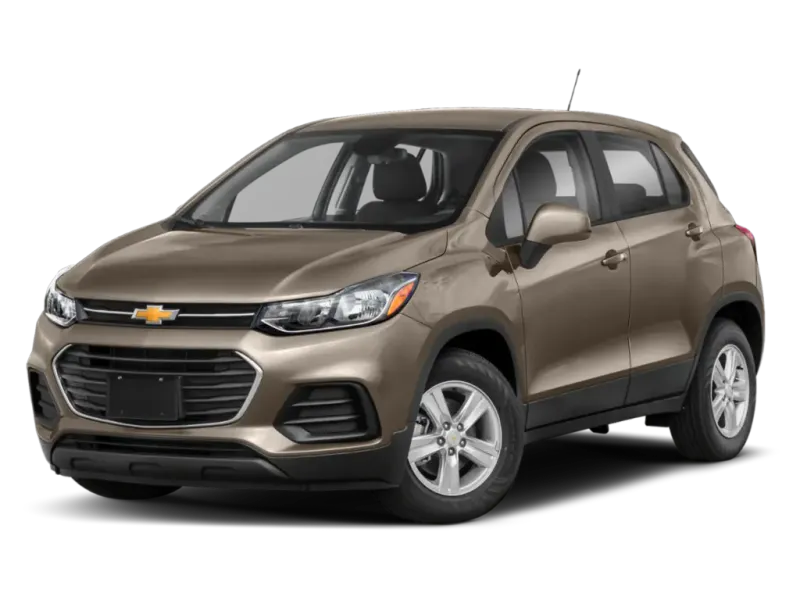
A Chevrolet scoring 80.8 surprises anyone who has internalized the "American cars aren't reliable" stereotype. The Trax outscores the Subaru Outback (avg 71.8), the Ford Explorer (avg 66.7), and the Volkswagen Tiguan (avg 68.4). It's an entry-level subcompact SUV: small, simple, and not trying to be more than basic transportation. That simplicity translates directly into reliability. Fewer features mean fewer failure points.
Hyundai Elantra
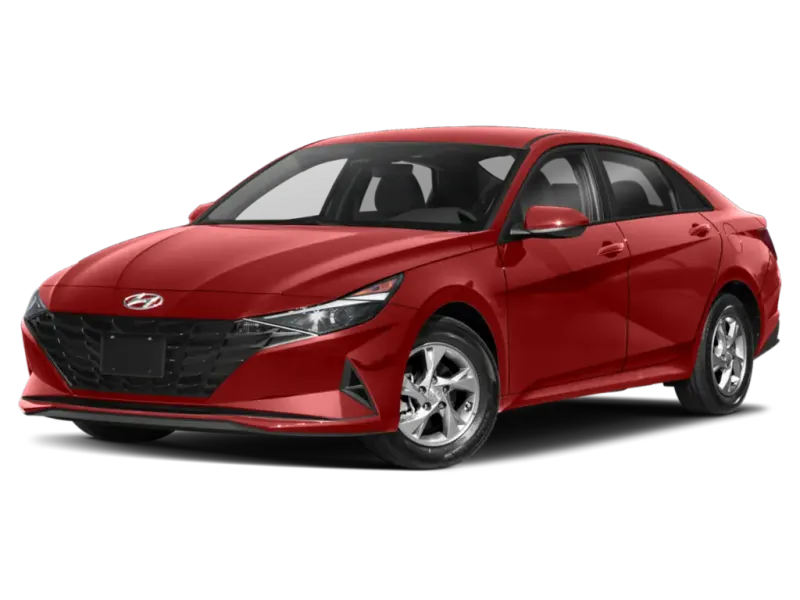
The Hyundai Elantra averages 79.6, placing it in Good territory and near the Excellent threshold. Hyundai still carries the "cheap Korean" stigma from the early 2000s, but the Elantra's data tells a different story. Recent model years score well above the fleet average, with complaint rates that rival the Honda Accord (avg 75.8) and the Toyota Camry (avg 78.0). The perception hasn't caught up to the reality.
Nissan Altima
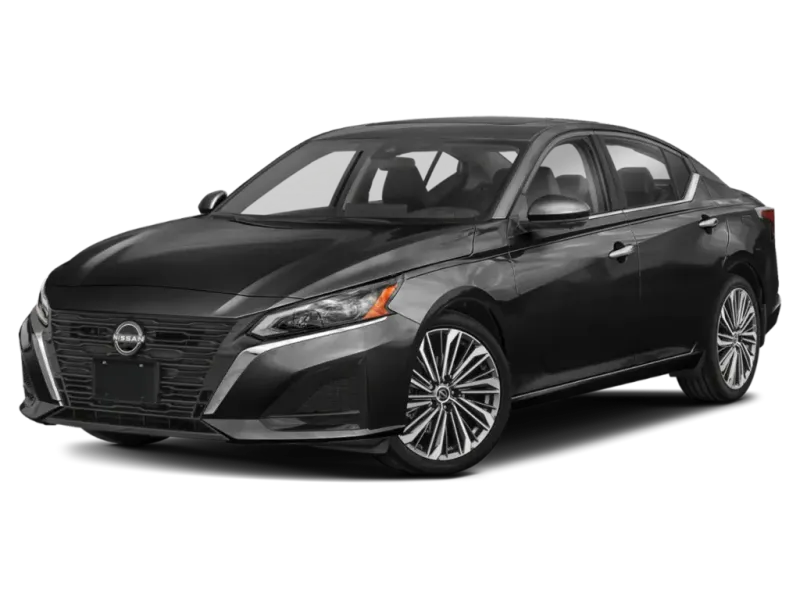
The Nissan Altima averages 79.2, landing in the Good range. Nissan's reputation has suffered from CVT transmission issues in other models, and the brand carries a "rental car" stigma that suppresses perceived quality. But the Altima's data tells a different story: complaint rates have dropped steadily in recent model years, and the overall average sits well above the fleet average of 70.1. The brand average of 76.6 is competitive with Honda and Toyota.
Chevrolet Colorado
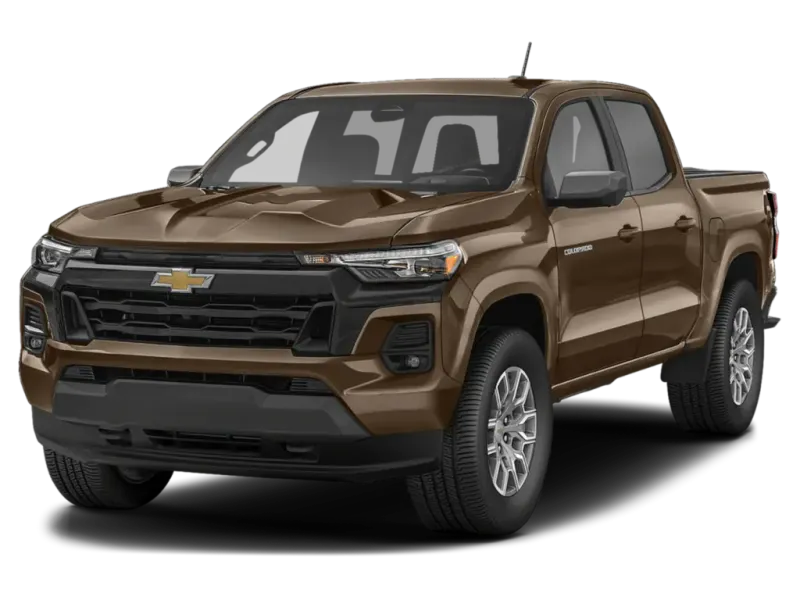
The Chevrolet Colorado averages 79.2, a Good result that places it above most competitors in its segment. An American truck outperforming imports on reliability defies the conventional wisdom. The Colorado is a mid-size truck built on a proven platform with a straightforward powertrain, and the data reflects that simplicity. Chevrolet's overall brand average of 73.0 sits close to the fleet average, but the Colorado punches above it.
Kia Sportage
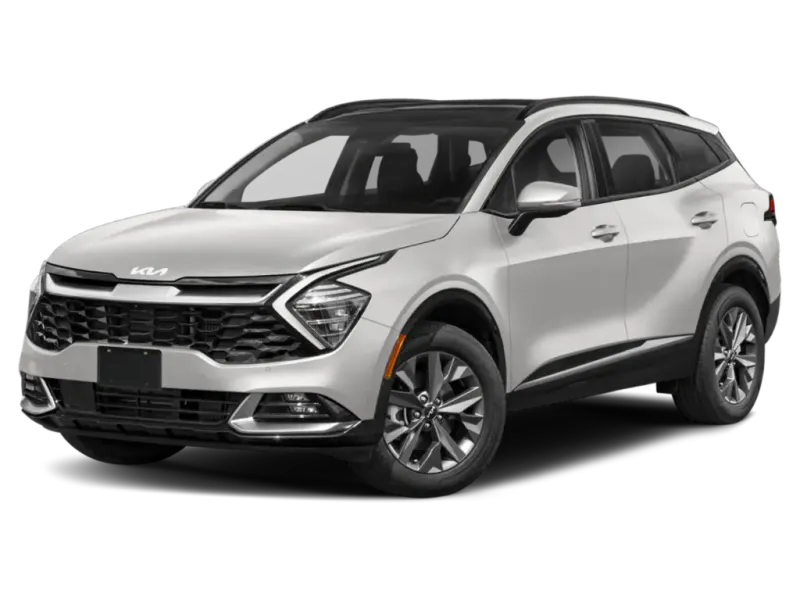
The Kia Sportage averages 75.1, a Good score despite Kia's lingering "cheap Korean" reputation. The Sportage competes directly with the Toyota RAV4 and Honda CR-V in the compact SUV segment, and its reliability numbers are in the same range. Kia's transformation over the past decade has been dramatic, yet buyer perception hasn't caught up. Recent model years trend upward, with scores consistently above the fleet average.
Brand Reputation vs Measured Reliability
Some brands live up to their reputations. Toyota (75.6), Honda (74.1), and Lexus (81.8) all score at or near the top. Their reputations are earned through consistent performance across multiple models and generations.
Other brands score higher than most people assume. Nissan averages 76.6, beating Chevrolet (73.0) and Mazda (74.7). Hyundai and Kia, often dismissed for brand perception, average 69.8 and 72.6 respectively. These brands share a common trait: they build simpler, less complex vehicles that generate fewer complaints per unit sold.
The biggest gap between perception and data sits with Tesla and the German luxury brands. Tesla averages 52.2, the lowest of any manufacturer in our database. BMW averages 65.7, Mercedes-Benz 60.0, and Volkswagen 67.1. All four fall below the fleet average of 70.1. Premium pricing and engineering prestige create a perception of quality that the reliability data doesn't support.
The Verdict
Across 80+ vehicles, the pattern is consistent: public perception mismatches reliability data more often than it gets it right. The vehicles that outperform expectations share common traits: proven platforms, simpler powertrains, and fewer electronic systems. The vehicles that underperform tend to be larger, more complex, first-generation designs, or backed by brand prestige that doesn't translate to fewer complaints.
For buyers shopping on reliability, the data suggests three principles. First, brand reputation is a lagging indicator. Kia and Chevrolet build vehicles that rival Toyota and Honda on reliability, even if the perception hasn't caught up. Second, complexity is the enemy of reliability. Smaller, simpler vehicles consistently outperform larger, feature-laden ones regardless of where they're built. Third, hype is noise. The most reliable vehicles in our database are the ones nobody talks about.
The numbers don't have brand loyalty. Neither should your buying decision.
Methodology
Every vehicle is scored 0-100 using four weighted factors: complaint severity normalized by sales volume (35%), independent repair cost data (30%), recall impact weighted by severity (20%), and issue diversity across complaint categories (15%). Complaint counts are normalized by sales volume so popular vehicles aren't penalized by sheer scale. See our About page for full methodology details.
Scores in the table and badges reflect model averages across all indexed years and update automatically as new recalls and complaints are filed with NHTSA.